
Table of Contents
How High Is the Robotic Surgery Success Rate in Modern Medicine?
The robotic surgery success rate has become one of the most searched topics among patients considering minimally invasive procedures. With rapid advancements in surgical technology, robotic-assisted procedures are now widely used in urology, gynecology, oncology, gastrointestinal surgery, and more.
In most standard procedures, the robotic surgery success rate ranges between 94% and 99%, depending on the complexity of the condition and the patient’s overall health. These impressive numbers have positioned robotic-assisted surgery as one of the most reliable surgical techniques available today.
This article explores real outcome statistics, procedure-specific success data, influencing factors, recovery expectations, and long-term results.
Understanding Robotic-Assisted Surgery
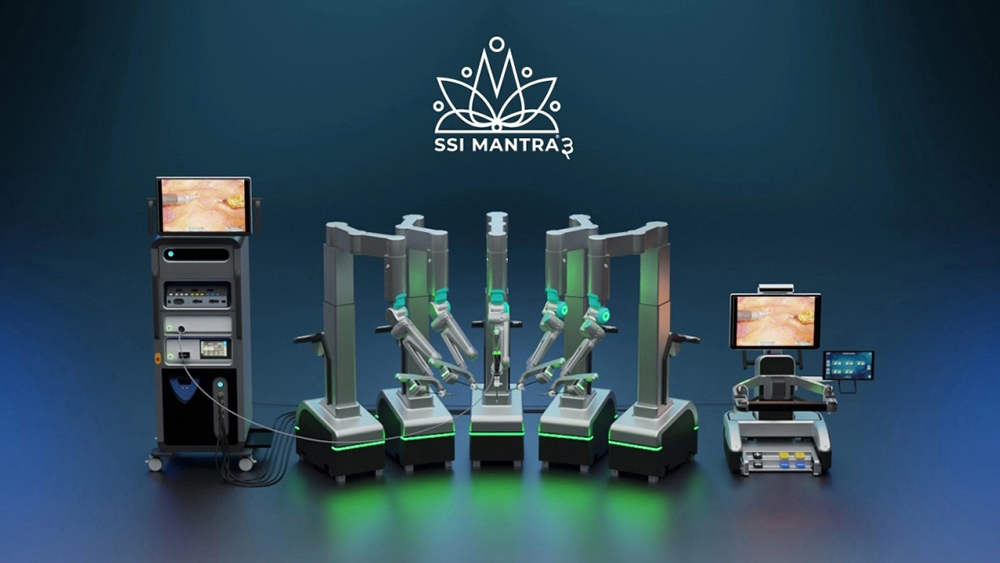
Robotic-assisted surgery is not performed by a robot independently. Instead, it is a surgeon-controlled system where robotic arms replicate the surgeon’s hand movements with enhanced precision.
A globally recognized robotic platform used in hospitals worldwide is the da Vinci Surgical System. This system provides:
3D high-definition visualization
Enhanced dexterity
Superior depth perception
Motion scaling for precise movements
These features directly contribute to the high robotic surgery success rate observed across specialties.
Robotic Surgery Success Rate by Medical Specialty
The success rate varies depending on the organ involved and the complexity of the disease.
1. Urological Procedures
Prostate Surgery
Robotic prostatectomy has shown success rates between 95% and 98%, with improved nerve preservation and reduced blood loss.
Kidney Surgery
Partial nephrectomy performed robotically demonstrates high tumor removal accuracy with kidney function preservation.
2. Gynecological Surgery
Hysterectomy
Robotic hysterectomy has a success rate of 98–99%, with minimal postoperative complications.
Endometriosis Treatment
Robotic precision helps in removing deep pelvic lesions effectively.
3. Gastrointestinal Surgery
Colorectal Surgery
Robotic-assisted colorectal procedures show improved precision in confined pelvic spaces.
Gallbladder Removal
Success rates are extremely high, often above 98%, with rapid discharge.
4. Hernia Repair
Robotic hernia repair allows better mesh placement and reduced recurrence risk. Success rates typically exceed 95%.
What Defines “Success” in Robotic Surgery?
When discussing robotic surgery outcomes, success does not simply mean completing the operation. It includes:
Complete removal of diseased tissue
No major complications
Minimal blood loss
Short hospital stay
Quick return to daily activities
Long-term disease control
A high robotic surgery success rate reflects favorable results across all these parameters.
Key Factors Influencing Robotic Surgery Success Rate
Surgeon’s Expertise
The most critical factor is the surgeon’s experience with robotic systems. Advanced training improves:
Surgical precision
Reduced operative time
Lower complication rate
Technology enhances performance, but surgical skill determines outcomes.
Stage of Disease
Early-stage conditions usually have better results. For example:
Early-stage cancer shows higher cure rates
Small hernias have lower recurrence
Limited organ damage improves healing
Patient Health Profile
Patients with controlled medical conditions such as diabetes or hypertension generally experience smoother recovery.
Smoking, obesity, and severe heart disease may slightly affect complication risks.
Hospital Quality & Equipment
Modern robotic platforms and trained surgical teams significantly improve patient safety and overall success rates.
Robotic Surgery Success Rate Compared to Traditional Methods
In many procedures, robotic-assisted surgery offers:
Comparable or better success rates
Reduced blood transfusion requirement
Lower infection risk
Shorter hospitalization
Open surgery may still be necessary in extremely complex or emergency situations, but robotic surgery has become a preferred choice in elective procedures.
Complication Rates in Robotic Surgery
While robotic surgery success rate is high, understanding potential risks is important.
Possible complications include:
Minor bleeding
Temporary pain
Infection
Rare organ injury
Major complications are uncommon when performed by trained specialists.
Studies show complication rates are often lower than open surgical approaches.
Long-Term Outcomes of Robotic Surgery
Patients often ask whether robotic surgery provides durable, long-term results.
Cancer Surgery
Robotic cancer surgeries show comparable long-term survival rates to traditional methods.
Hernia Surgery
Lower recurrence rates due to precise mesh placement.
Urological Surgery
Better preservation of urinary and sexual function in many cases.
Overall, robotic-assisted procedures provide reliable long-term outcomes when properly indicated.
Recovery Timeline After Robotic Surgery
Recovery is typically faster compared to traditional open surgery.
Typical Postoperative Timeline:
Discharge: Within 24–72 hours
Light walking: Same or next day
Return to desk work: 1–2 weeks
Full activity: 3–6 weeks
Small incisions reduce tissue trauma, helping patients regain normal routine sooner.
Is Robotic Surgery Always the Best Option?
Although the robotic surgery success rate is high, it may not be necessary for every patient.
Factors considered before recommending robotic surgery:
Complexity of case
Availability of robotic system
Cost considerations
Patient preference
Surgeon’s recommendation
Individualized consultation ensures the most suitable surgical approach.
Myths About Robotic Surgery Success Rate
Myth 1: The Robot Performs Surgery Independently
Reality: The surgeon controls every movement.
Myth 2: Robotic Surgery Has Zero Risk
Reality: No surgery is completely risk-free.
Myth 3: It Is Only for Cancer
Reality: Robotic surgery is widely used for benign conditions as well.
Why Patients Trust Robotic-Assisted Procedures
Growing patient confidence is based on:
Documented high success rates
Reduced hospital stay
Minimal scarring
Faster healing
Advanced precision
As surgical technology continues to evolve, robotic procedures are expected to become even more refined and accessible.
Robotic Surgery Success Rate Explained
The robotic surgery success rate consistently remains high across various specialties, often exceeding 95% in many common procedures. It combines advanced technology with surgical expertise to deliver precise, minimally invasive treatment.
However, the true determinant of success lies in proper patient selection and the experience of the operating surgeon.
Before deciding on robotic-assisted surgery, it is essential to have a detailed consultation and personalized evaluation.
Book Consultation Now
Consult an experienced Robotic Surgeon today and find out if Robotic Surgery is the right option for you.
Call or Whatsapp Now : +91 8283-0000-11 | | Book Appointment Online