
Table of Contents
Benefits of Robotic Cancer Surgery – A Modern Breakthrough in Oncology
The benefits of robotic cancer surgery have transformed the way cancer treatment is delivered today. With advancements in minimally invasive techniques, robotic-assisted cancer surgery offers greater precision, improved safety, and faster recovery compared to traditional open surgery.
Cancer treatment often requires delicate removal of tumors located near critical organs and nerves. Robotic technology allows surgeons to operate with enhanced control and visualization, reducing complications and improving long-term outcomes.
In this detailed guide, we explore the major advantages of robotic cancer surgery, its effectiveness across different cancer types, recovery timeline, safety profile, and why more patients are choosing this advanced surgical option.
What Is Robotic Cancer Surgery?
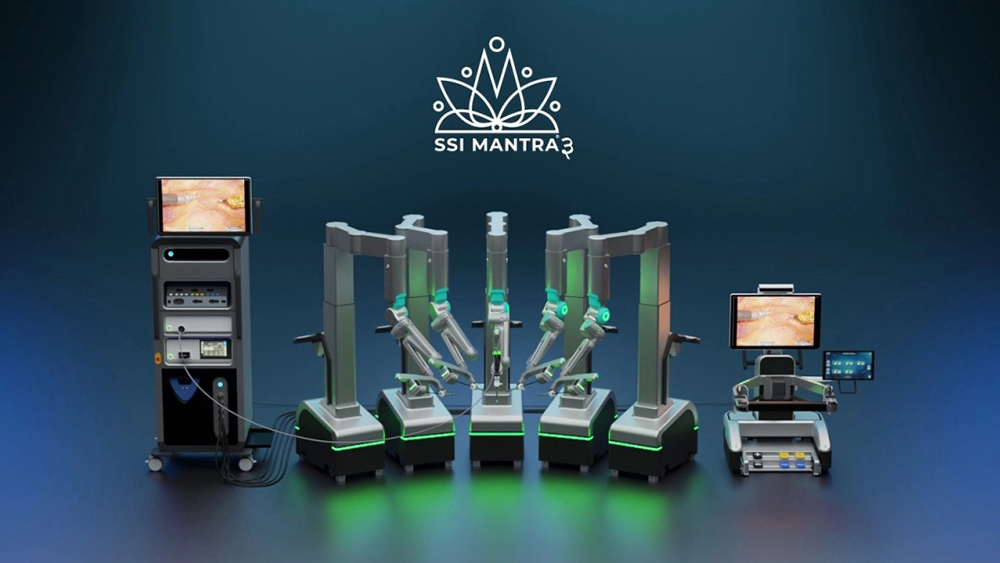
Robotic cancer surgery is a minimally invasive procedure in which surgeons use robotic-assisted technology to remove cancerous tissue with high precision.
A widely used robotic platform in oncology is the da Vinci Surgical System. This system translates the surgeon’s hand movements into smaller, more precise actions inside the patient’s body.
Key Components of Robotic-Assisted Cancer Surgery
3D high-definition magnified view
Wristed instruments with 360-degree motion
Tremor-free surgical movements
Small incisions for minimal tissue trauma
These features contribute significantly to the clinical benefits of robotic cancer surgery.
Top Benefits of Robotic Cancer Surgery
1. Enhanced Surgical Precision
One of the biggest benefits of robotic cancer surgery is superior precision.
Cancer removal requires accurate excision of tumor tissue while preserving healthy surrounding organs. Robotic instruments allow:
Fine dissection in tight anatomical spaces
Clear identification of nerves and blood vessels
Improved tumor margin control
This precision reduces the likelihood of residual cancer cells.
2. Smaller Incisions and Minimal Scarring
Unlike traditional open surgery, robotic-assisted cancer surgery uses small keyhole incisions.
Advantages Include:
Less visible scarring
Reduced tissue damage
Lower risk of wound complications
This minimally invasive approach makes the procedure less physically traumatic.
3. Reduced Blood Loss
Robotic systems allow precise cauterization and suturing, leading to:
Lower intraoperative bleeding
Reduced need for blood transfusions
Greater hemodynamic stability
This is particularly beneficial in complex cancer procedures.
4. Faster Recovery and Shorter Hospital Stay
Another important benefit of robotic cancer surgery is quicker recovery.
Typical Recovery Timeline:
Hospital stay: 1–3 days
Light activity: Within a few days
Return to work: 2–3 weeks (depending on procedure)
Patients experience less postoperative pain and regain mobility faster compared to open surgery.
5. Lower Risk of Infection
Smaller incisions significantly reduce exposure to external contaminants, resulting in:
Lower infection rates
Reduced wound complications
Better overall healing
This contributes to improved patient safety.
6. Better Functional Outcomes
In cancers involving delicate areas such as the prostate, uterus, or rectum, nerve preservation is critical.
Robotic precision helps in:
Maintaining urinary control
Preserving sexual function
Protecting surrounding organs
This greatly improves post-surgery quality of life.
Types of Cancer Treated with Robotic Surgery
Robotic-assisted surgery is widely used across multiple cancer types.
Robotic Prostate Cancer Surgery
Improved nerve preservation
Better urinary continence outcomes
Reduced blood loss
Robotic Gynecologic Cancer Surgery
Effective removal of uterine and cervical tumors
Minimal pelvic tissue damage
Robotic Colorectal Cancer Surgery
Precise tumor removal in confined pelvic spaces
Lower complication rates
Robotic Kidney Cancer Surgery
Preservation of healthy kidney tissue
High success rates in partial nephrectomy
Each of these applications highlights the growing role of robotic-assisted cancer treatment.
Oncological Safety and Effectiveness
Patients often ask whether robotic cancer surgery is as effective as traditional open surgery.
Multiple clinical studies show:
Comparable or improved cancer control rates
Clear surgical margins
Similar long-term survival outcomes
The benefits of robotic cancer surgery are not limited to cosmetic advantages; they also support strong oncological results.
Psychological and Emotional Benefits
Facing cancer surgery can be emotionally overwhelming. Knowing that the procedure is minimally invasive provides reassurance.
Patients often report:
Reduced anxiety
Greater confidence in treatment
Positive recovery mindset
A smoother recovery process also reduces emotional stress for both patients and families.
Are There Any Risks?
Although the benefits of robotic cancer surgery are significant, no surgery is completely risk-free.
Possible risks include:
Bleeding
Infection
Temporary pain
Rare injury to nearby structures
However, complication rates are generally low when performed by experienced robotic surgeons.
Who Is a Suitable Candidate?
Not every patient automatically qualifies for robotic-assisted cancer surgery.
Suitability depends on:
Stage of cancer
Tumor size and location
Overall medical fitness
Surgeon’s assessment
A detailed evaluation ensures the most appropriate surgical approach.
Robotic Cancer Surgery vs Traditional Open Surgery
| Feature | Robotic Surgery | Open Surgery |
|---|---|---|
| Incision Size | Small | Large |
| Blood Loss | Minimal | Higher |
| Hospital Stay | Shorter | Longer |
| Recovery Time | Faster | Slower |
| Postoperative Pain | Less | More |
These comparisons clearly highlight why robotic-assisted procedures are increasingly preferred.
Long-Term Benefits of Robotic Cancer Surgery
Beyond immediate recovery, robotic surgery offers long-term advantages:
Reduced scar tissue formation
Lower risk of complications
Improved quality of life
Faster return to normal lifestyle
These factors make it a valuable advancement in modern oncology care.
Frequently Asked Questions
Is robotic cancer surgery safe?
Yes. When performed by a trained surgeon, robotic cancer surgery is considered safe and effective.
Does robotic surgery remove cancer completely?
Complete removal depends on cancer stage and tumor characteristics, but robotic systems allow precise tumor excision.
Is robotic cancer surgery painful?
Pain is usually less compared to open surgery due to smaller incisions.
Is robotic surgery better for cancer treatment?
In many cases, it offers improved precision, faster recovery, and similar or better oncological outcomes.
Final Thoughts on Benefits of Robotic Cancer Surgery
The benefits of robotic cancer surgery extend beyond technological advancement. From enhanced precision and minimal blood loss to faster recovery and better quality of life, robotic-assisted procedures have reshaped cancer treatment.
However, the true success of any surgery depends on the expertise of the operating surgeon and careful patient selection.
If you are considering robotic-assisted cancer surgery, professional consultation is essential to determine the most suitable treatment plan.
Book Consultation Now
Consult an experienced Robotic Surgeon today and find out if Robotic Surgery is the right option for you.
Call or Whatsapp Now : +91 8283-0000-11 | | Book Appointment Online