
Table of Contents
Robotic Surgery vs Laparoscopic Surgery – Understanding the Key Differences
When patients are advised minimally invasive surgery, one common question arises — Robotic Surgery vs Laparoscopic Surgery: which one is safer and more effective?
Both techniques are advanced alternatives to traditional open surgery. They reduce pain, shorten hospital stay, and allow faster recovery. However, there are important differences in precision, technology, cost, and surgeon control.
In this detailed guide, we will compare robotic surgery and laparoscopic surgery, their benefits, risks, recovery time, and which option may be better depending on the medical condition.
What is Laparoscopic Surgery?
Laparoscopic surgery, also called keyhole surgery, is a minimally invasive procedure where small incisions are made in the body. A thin tube with a camera (laparoscope) is inserted to visualize internal organs on a monitor.
Key Features of Laparoscopic Surgery:
Small incisions (0.5–1 cm)
2D camera visualization
Long rigid surgical instruments
Faster recovery compared to open surgery
Less blood loss and minimal scarring
Common Procedures Done Laparoscopically:
Gallbladder removal (Cholecystectomy)
Appendix surgery
Hernia repair
Gynecological surgeries
Bariatric surgery
Laparoscopic surgery has been widely used for decades and is considered safe and effective in most cases.
What is Robotic Surgery?
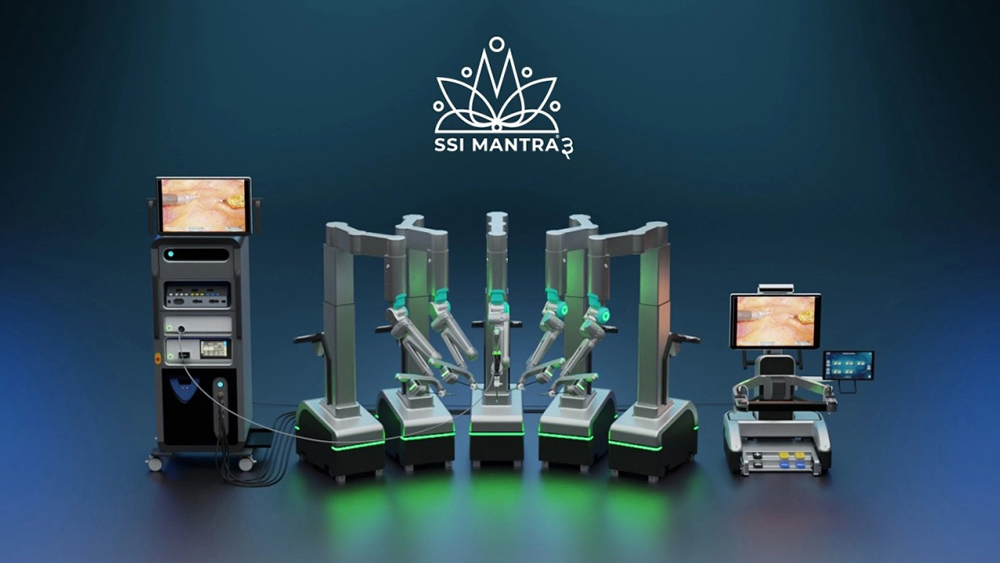
Robotic surgery is an advanced form of minimally invasive surgery. In this procedure, the surgeon controls robotic arms through a computerized console.
One of the most widely used robotic systems worldwide is the da Vinci Surgical System.
Unlike traditional laparoscopy, robotic surgery offers enhanced precision, flexibility, and 3D magnified visualization.
Key Features of Robotic Surgery:
3D high-definition visualization
Tremor-free robotic arms
Greater range of motion
Enhanced precision in delicate procedures
Improved ergonomics for surgeons
Common Procedures Done Using Robotic Surgery:
Prostate surgery
Uterus removal (Hysterectomy)
Cancer surgeries
Complex hernia repair
Kidney surgery
- Bariatric Surgery
Robotic surgery is particularly useful in complex and delicate operations requiring extreme precision.
Robotic Surgery vs Laparoscopic Surgery: Detailed Comparison
1. Technology and Precision
Laparoscopic Surgery
Surgeon directly handles instruments
Limited range of motion
2D visualization
Robotic Surgery
Surgeon controls robotic arms
Wristed instruments allow 360-degree movement
3D magnified view of surgical field
2. Accuracy and Control
In robotic surgery, hand tremors are filtered out by the system, resulting in stable movements.
Laparoscopic surgery depends entirely on the surgeon’s hand stability and experience.
3. Recovery Time
Both procedures are minimally invasive, so recovery time is generally shorter than open surgery.
Hospital stay: 1–3 days
Return to work: 1–2 weeks (depending on procedure)
Recovery difference between robotic and laparoscopic surgery is usually minimal.
4. Pain and Scarring
Both techniques involve small incisions.
Minimal pain
Smaller scars
Reduced infection risk
5. Cost Comparison
Robotic surgery is generally more expensive due to:
Advanced robotic systems
Maintenance cost
Higher operating expenses
Laparoscopic surgery is more cost-effective and widely available.
6. Suitability for Complex Surgeries
Robotic surgery is preferred in:
Cancer surgery
Deep pelvic procedures
Prostate surgery
Reconstructive surgery
Laparoscopy is effective for routine and moderately complex procedures.
Benefits of Robotic Surgery
Greater surgical precision
Better visualization
Reduced blood loss
Lower complication rate in complex surgeries
Better outcomes in cancer procedures
Benefits of Laparoscopic Surgery
Affordable
Widely available
Proven long-term safety
Short learning curve
Excellent for routine procedures
Robotic Surgery vs Laparoscopic Surgery: Which is Better?
The answer depends on:
Type of surgery
Complexity of the case
Patient’s medical condition
Surgeon’s expertise
Budget considerations
For routine surgeries, laparoscopic surgery works extremely well.
For complex or cancer-related surgeries, robotic surgery may provide better precision and outcomes.
The most important factor is the surgeon’s experience and skill in performing the procedure.
Risks and Complications
Both robotic and laparoscopic surgeries carry minimal risks compared to open surgery.
Possible complications include:
Bleeding
Infection
Injury to nearby organs
Anesthesia-related risks
However, complication rates are generally low in experienced hands.
Frequently Asked Questions (FAQs)
Is robotic surgery safer than laparoscopic surgery?
Both are safe. Robotic surgery offers improved precision in complex cases.
Is robotic surgery painful?
No. Pain levels are similar to laparoscopic surgery and much lower than open surgery.
Why is robotic surgery expensive?
The high cost of robotic equipment and maintenance increases the overall procedure cost.
Which surgery has faster recovery?
Recovery time is almost similar for both.
When comparing Robotic Surgery vs Laparoscopic Surgery, both techniques are modern, minimally invasive, and patient-friendly.
Robotic surgery provides superior precision and visualization, especially in complex procedures. Laparoscopic surgery remains a highly effective, affordable, and widely trusted method.
The right choice should always be made after consulting an experienced surgeon who evaluates your condition thoroughly.
Contact for More Information
If you would like to know which option is suitable for your condition or need expert guidance regarding robotic or laparoscopic surgery, please contact:
 Mobile: +91 99143-70870 Mobile: +91 8283 0000 11